Top of the Gambia Part 1
Why Gambia?
Since we knew that Merete Gustavsen Tvenning from Mosjøen drives Gambia Care, we thought this was a good place to start. As she has led the organization for 14 years, it felt safe and sensible to get to know her organization and work there. Merete was absolutely invaluable in planning and arranging, and did a great job for us. We did not travel to Africa on a blue road trip. It is also not recommended, should we experience it.
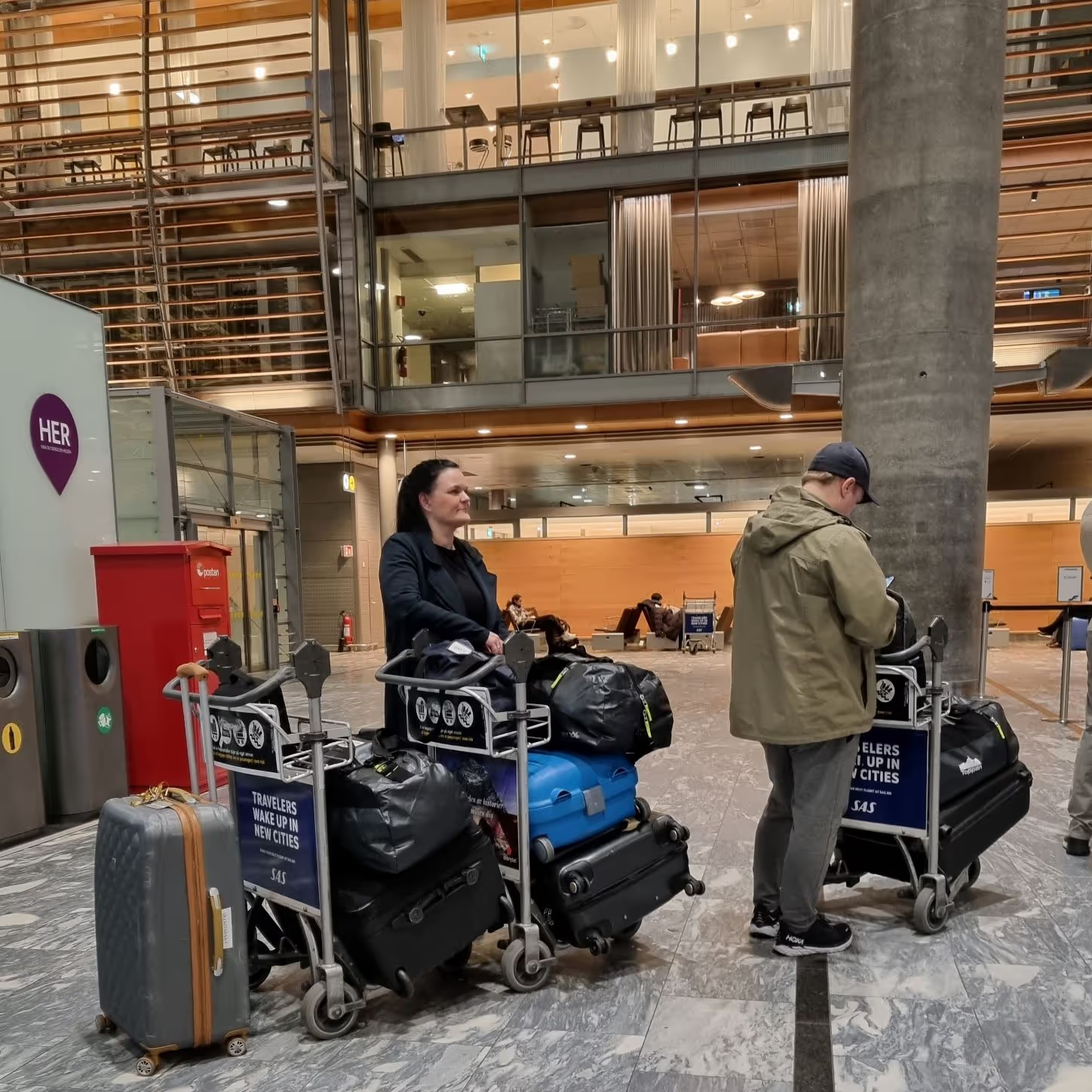
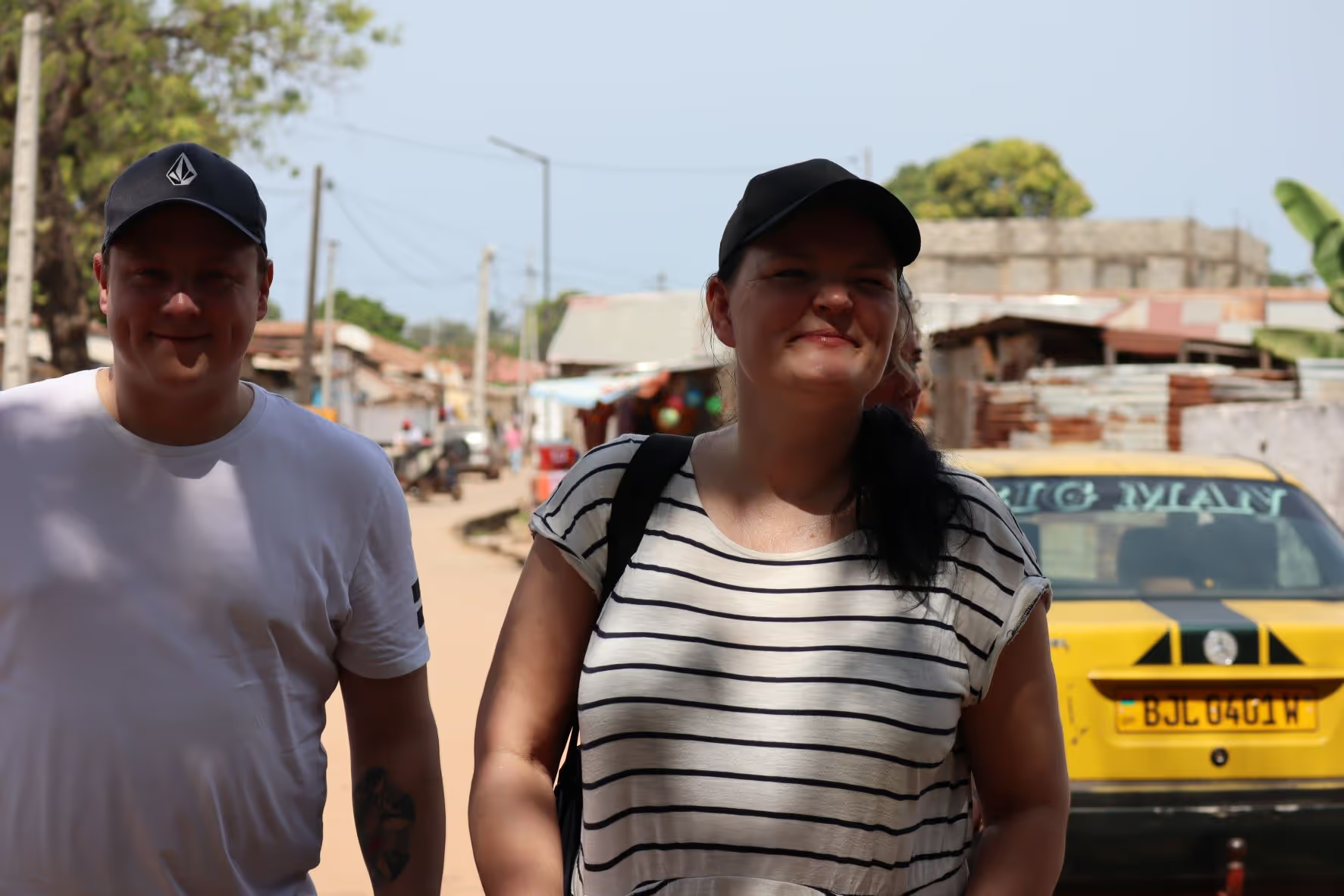
We were three tired adventurers who set off from Gardermoen on Monday, November 14, with collected clothes from friends in Mosjøen and sanitary napkins from the organization Solidarity Knit Gambia and Senegal. I as responsible for documentation, principal Mette as responsible for everything we do, and Jøran as a curious music teacher. Three northerners on study trip, to lay the framework for new line trips.
Gambia — Africa's Smallest Country
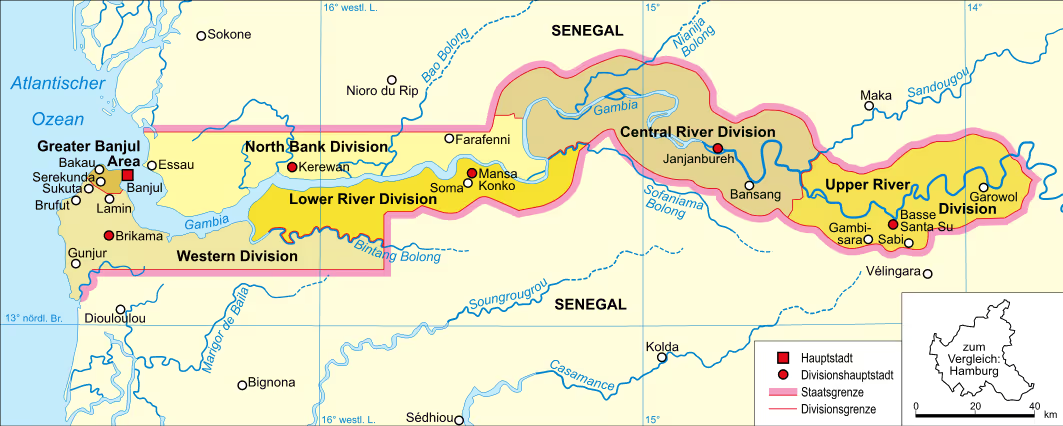
Gambia is the smallest country in Africa, both in area and population. Like an index finger around the river The Gambia, it juts in from the coast with Senegal on all sides. Of the more than 2.4 million inhabitants of the country, over 95% are Muslims, and although the official language is English, most speak primarily different tribal languages. In the capital, Banjul, there are approximately 46,700 people living. The country's largest city and economic center is Serekunda. In 1901, Gambia formally became a British protectorate. In 1962, the country gained internal self-government, and in 1965 the country became fully independent within the Commonwealth of Nations (Commonwealth). On paper, Gambia has long been a democracy, but in the period from 1996 to 2017, the president had almost all the power and the political opposition was suppressed. The Republic, then, is not old in its present form.
Gambia is a poorly developed country and the standard of living is low. The health system is poor and there is a huge shortage of hospitals, nurses and doctors. The Gambia has few natural resources, and only one-sixth of the land is arable. The most important agricultural product is peanuts which make up over 90 percent of the country's export earnings. The industry is small and based on pressing peanuts into oil. The service industry and tourism are particularly important to the country's economy. This industry employs around 55 percent of the population, and accounts for over 60 percent of the gross domestic product. Society and the labor market are characterized by old traditional divisions of male roles and female roles. (fn.no)

Toubab
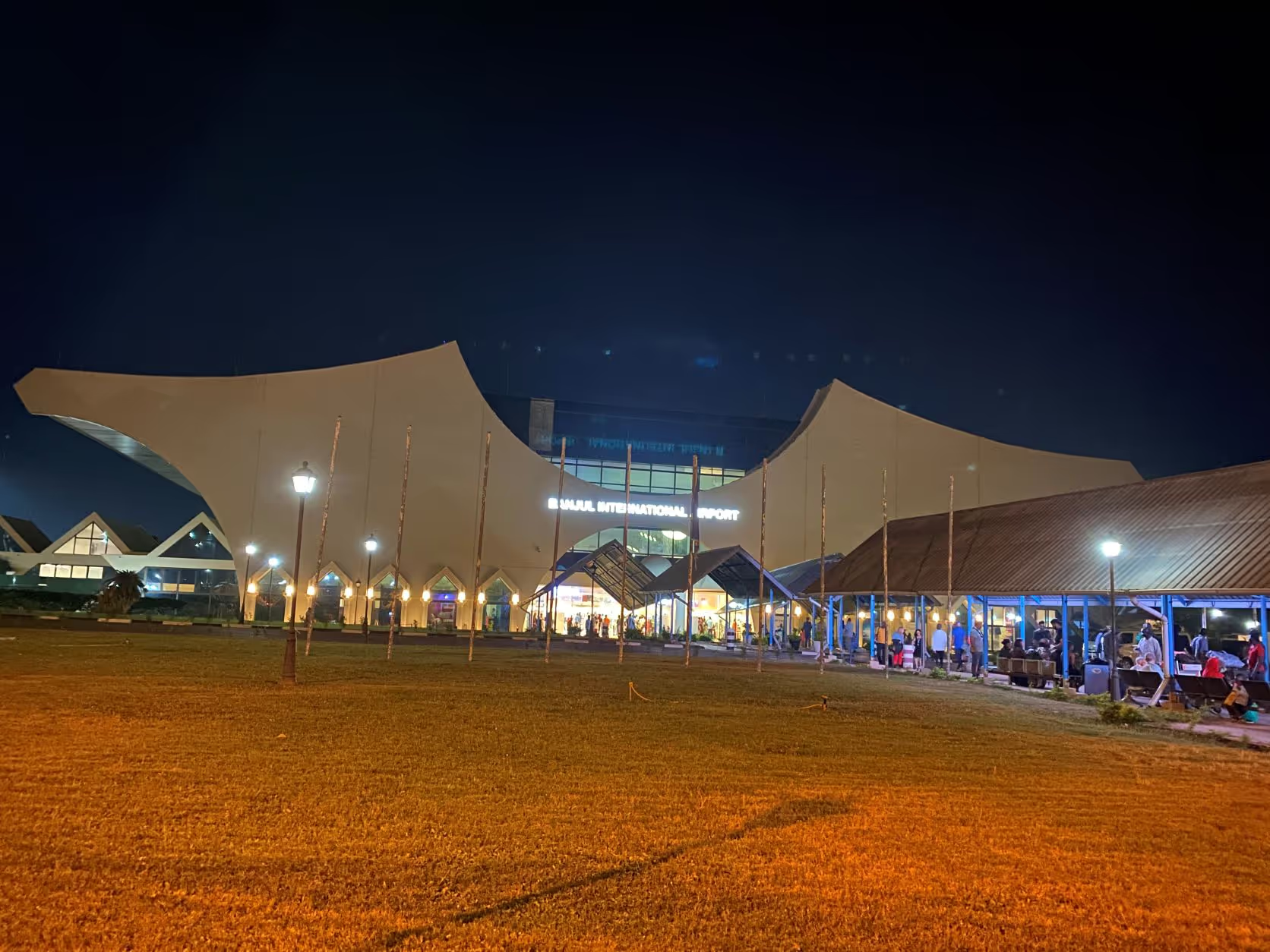
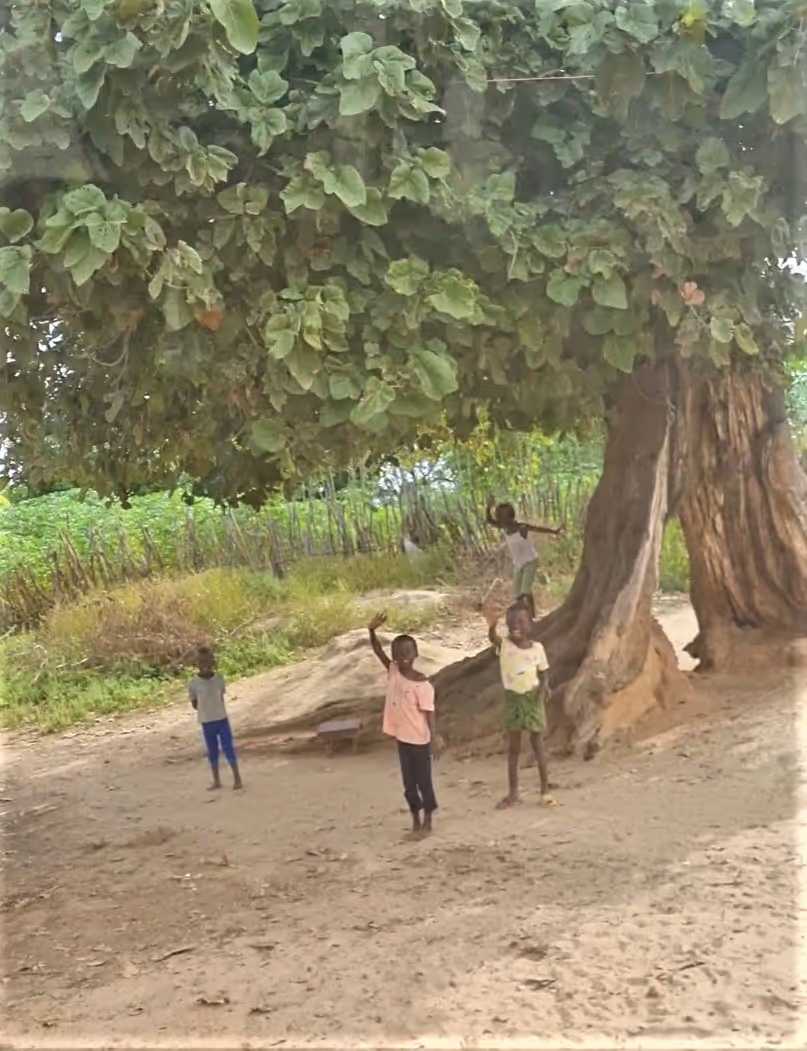
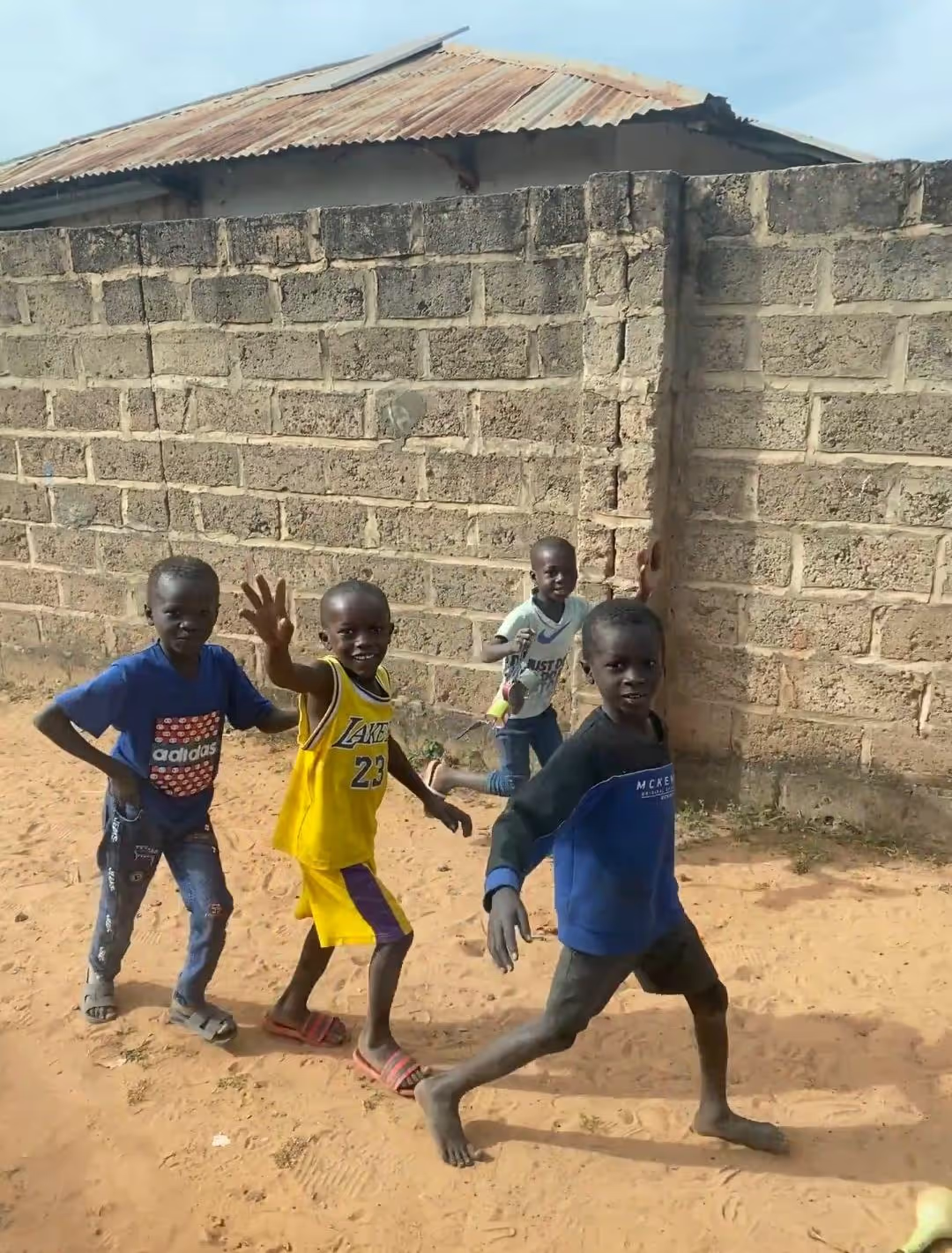
So here we came then, well guided on messages from Merete along the way. From the moment we landed, we became a completely different version of ourselves. Everything was new and unknown. It was clear that we were seen as strangers, and that Gambians had one set of expectations of us that we just had to accept. Wherever we drove around, the kids along the road called Tubab for us, as they smiled and waved. What are they shouting, we asked Merete. Yes, “Whites” she could translate. It was kind of weird. We were definitely a long way from home, but we still felt very welcome.
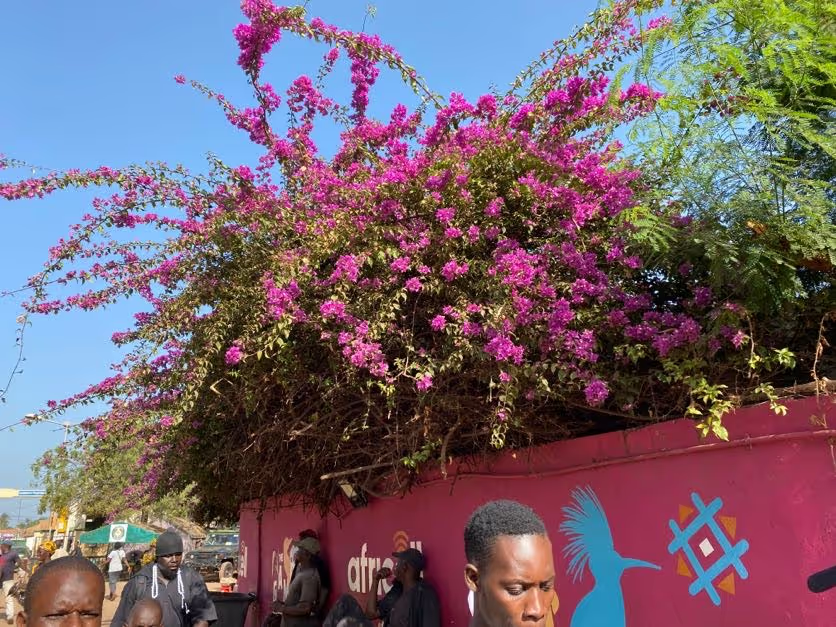
Mama F's Home
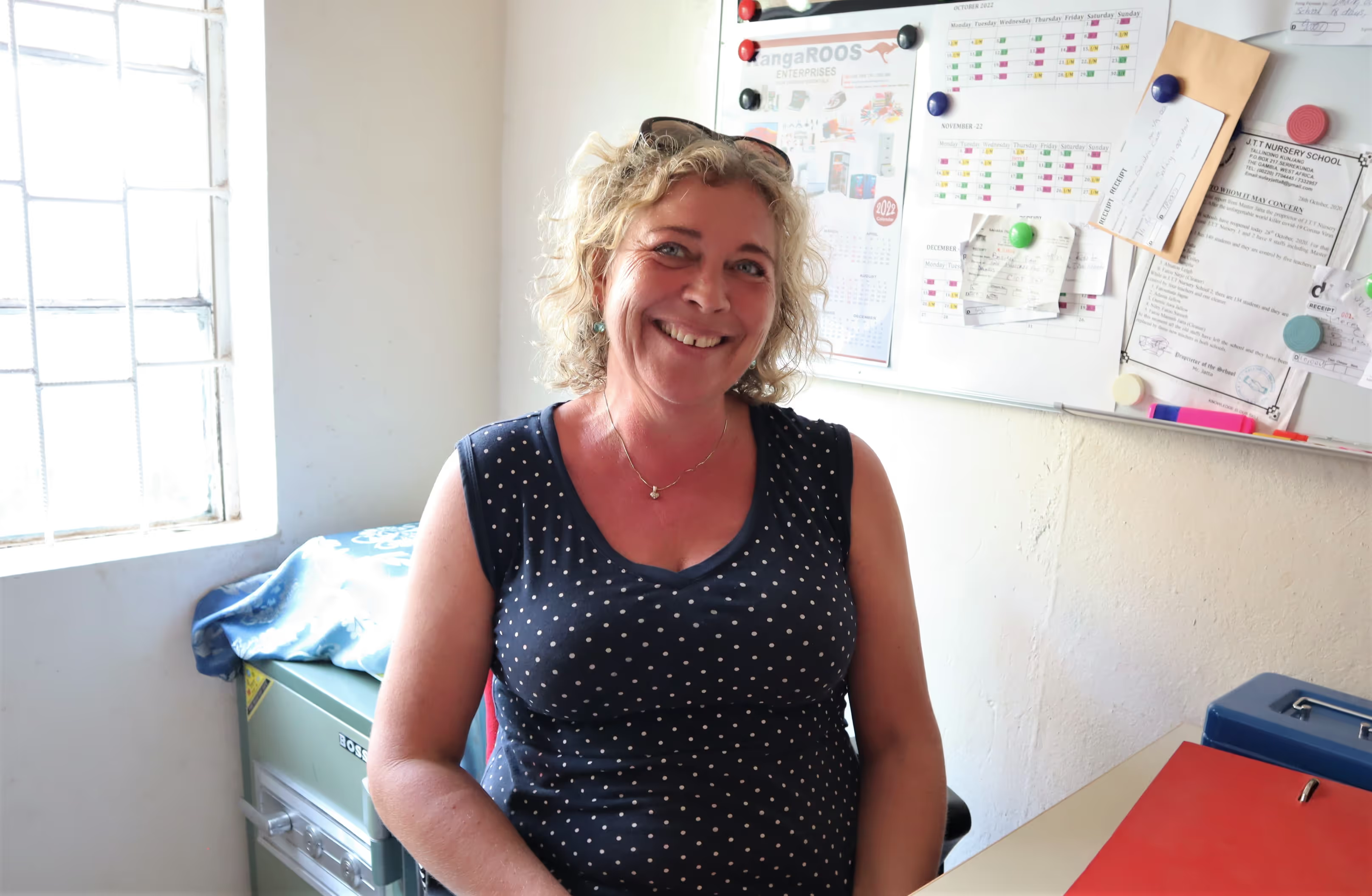
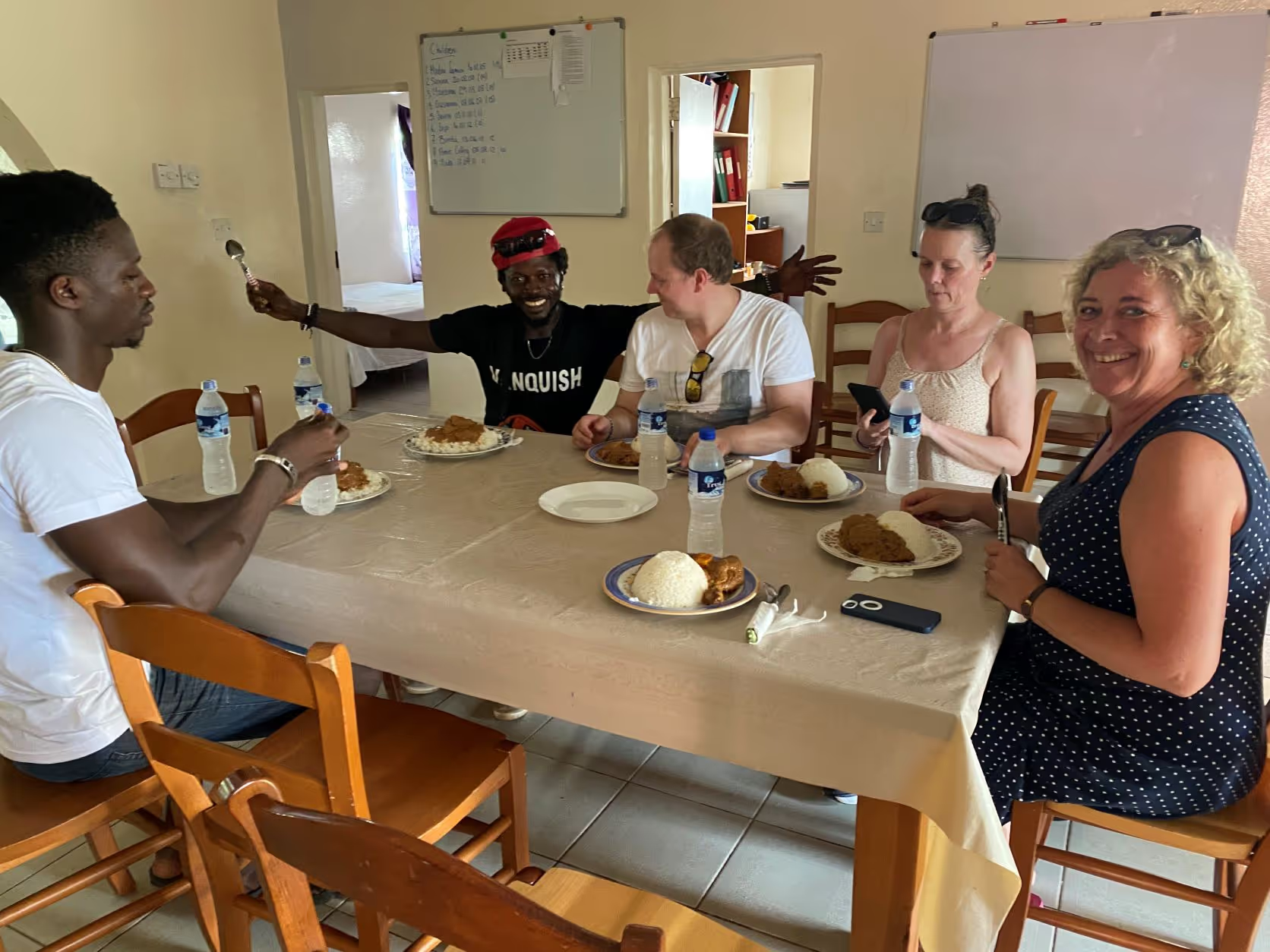
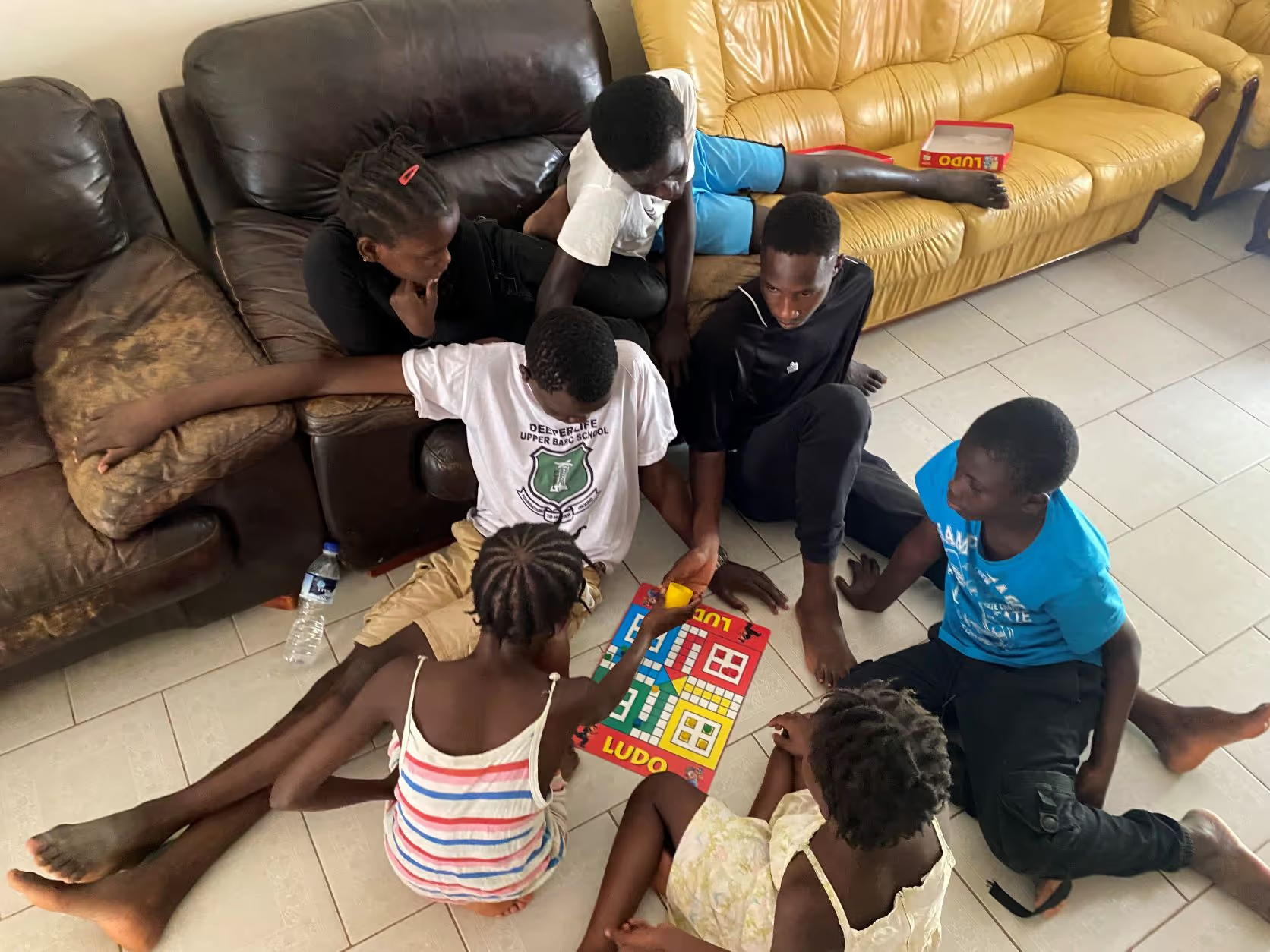
Mama F's Home is the main project of Gambia Care and we were there several times. In this orphanage there lived 9-10 children. The kids were like most kids, and a little modest. No wonder, because here we came foreign Norwegians rambling in. We felt a little modest, too. It was clear that the children were well cared for and the staff were wonderful. All the children in the orphanage go to school, and not everyone gets that in Gambia. There are few public schools, so education mostly happens at private schools and costs money. Not everyone can afford it, so those who get the opportunity to go to school do not slunk away. They know how important it is for the future.
We brought clothes, drinks bottles and toys for the kids. And they offered food, street parties in the backyard, salsa classes and good vibes. Great place, good layout and lovely people. I'll tell you more about the experiences we had later.


Our new friends
Merete has over the years in Banjul made good contacts and many nice friends and employees. It was really a bit of a buzz for us who was who, because Merete had a very good relationship with everyone. And we were treated with trust and openness from the very first moment. After a few days, we discovered that we had received more hugs from strangers than we had received from family since the pandemic.
Kebba and Bob were with us almost all week. They looked after us and translated, told about their life and the community we were going to get to know. They were hospitable, helpful and steady for us stray toubabs. Jøran taught himself vocabulary in both Mandinka and Wolof, and we laughed a lot! Much more than in a long time. From time to time we felt really stupid and there were a lot of situations that we didn't see coming. It is priceless to have celebrities with you around Gambia, without them we would be pretty lost! And we were really delighted with these lovely people, who, despite not having an easy life, offered themselves and made our stay very special.


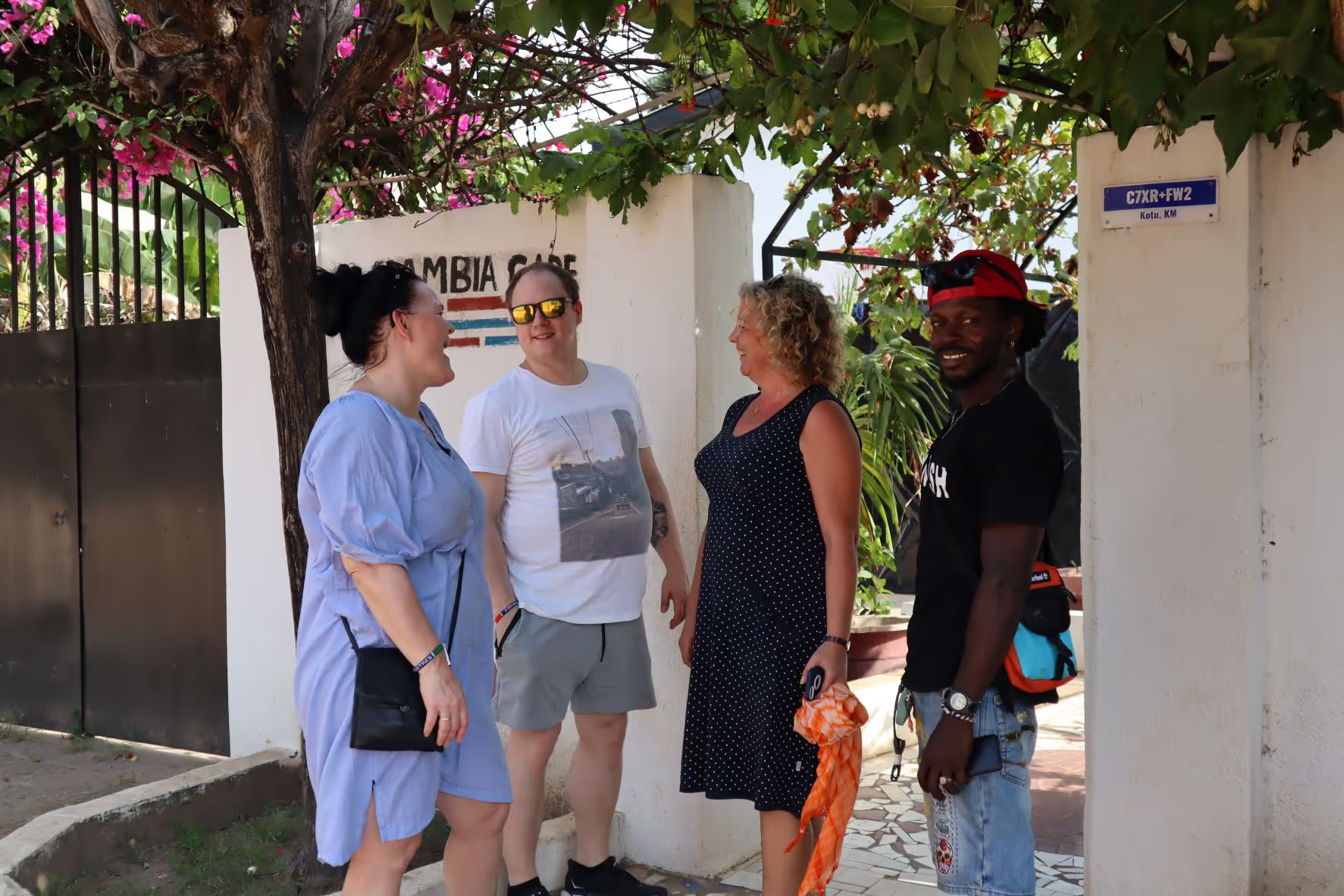
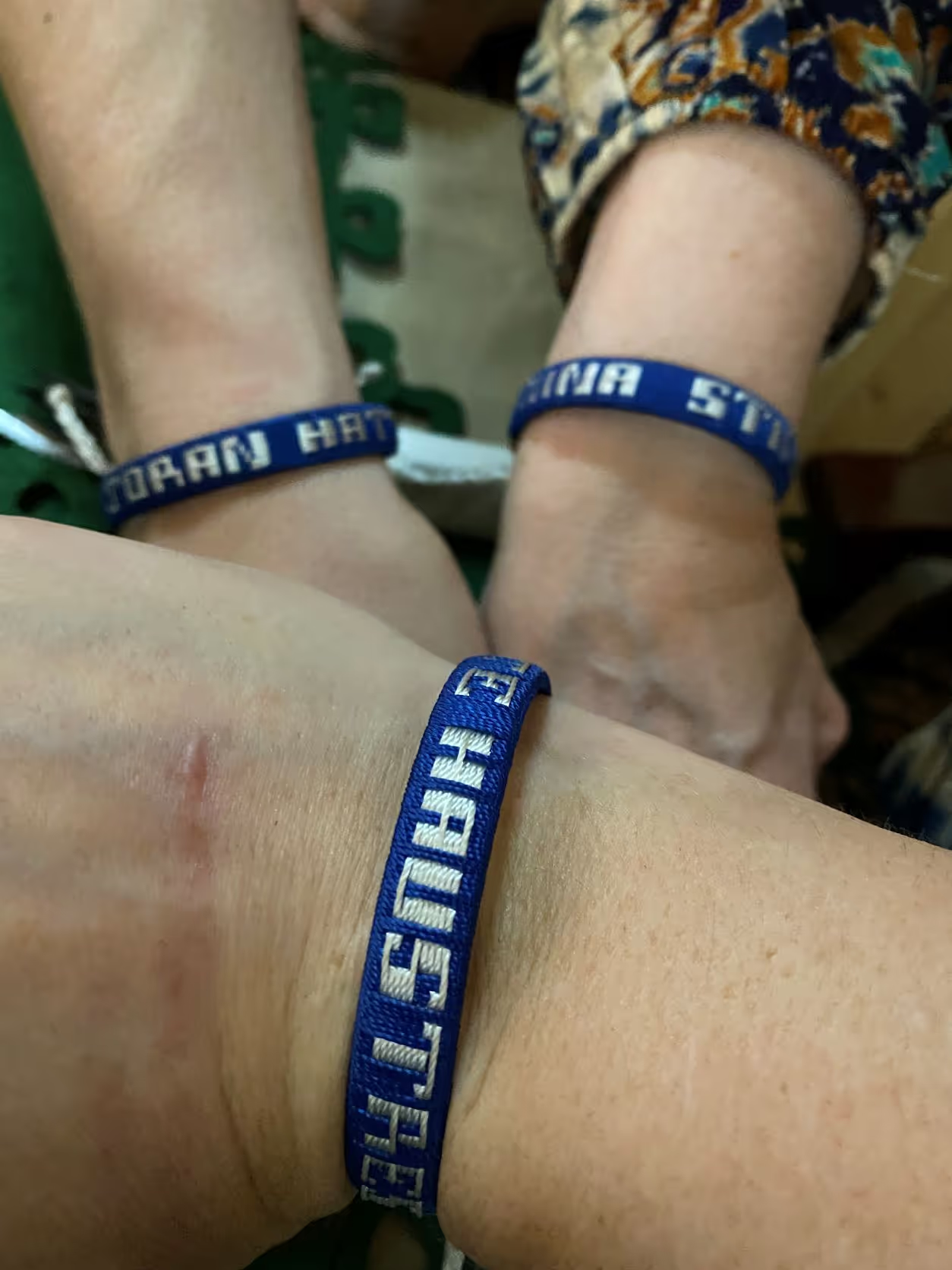
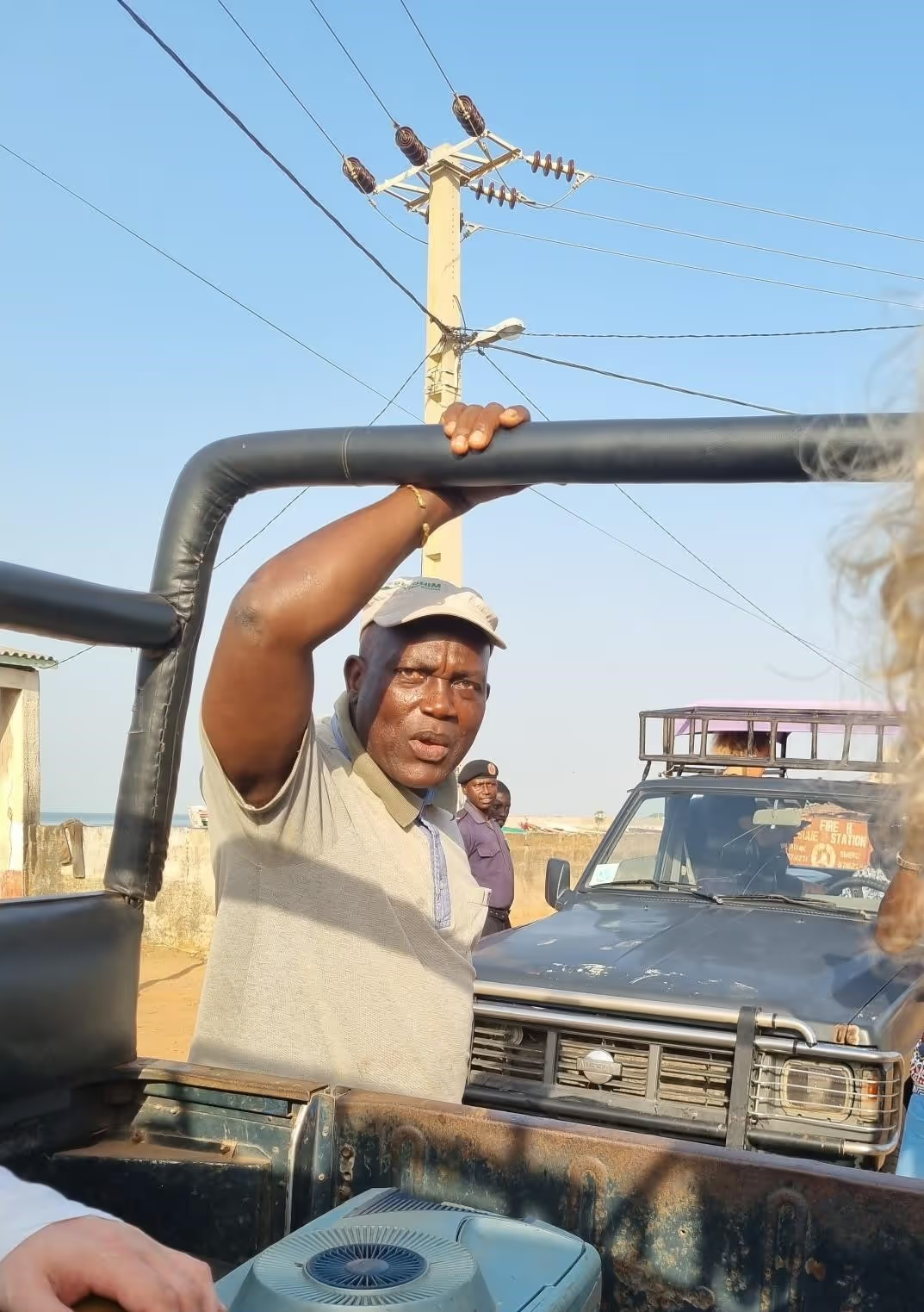
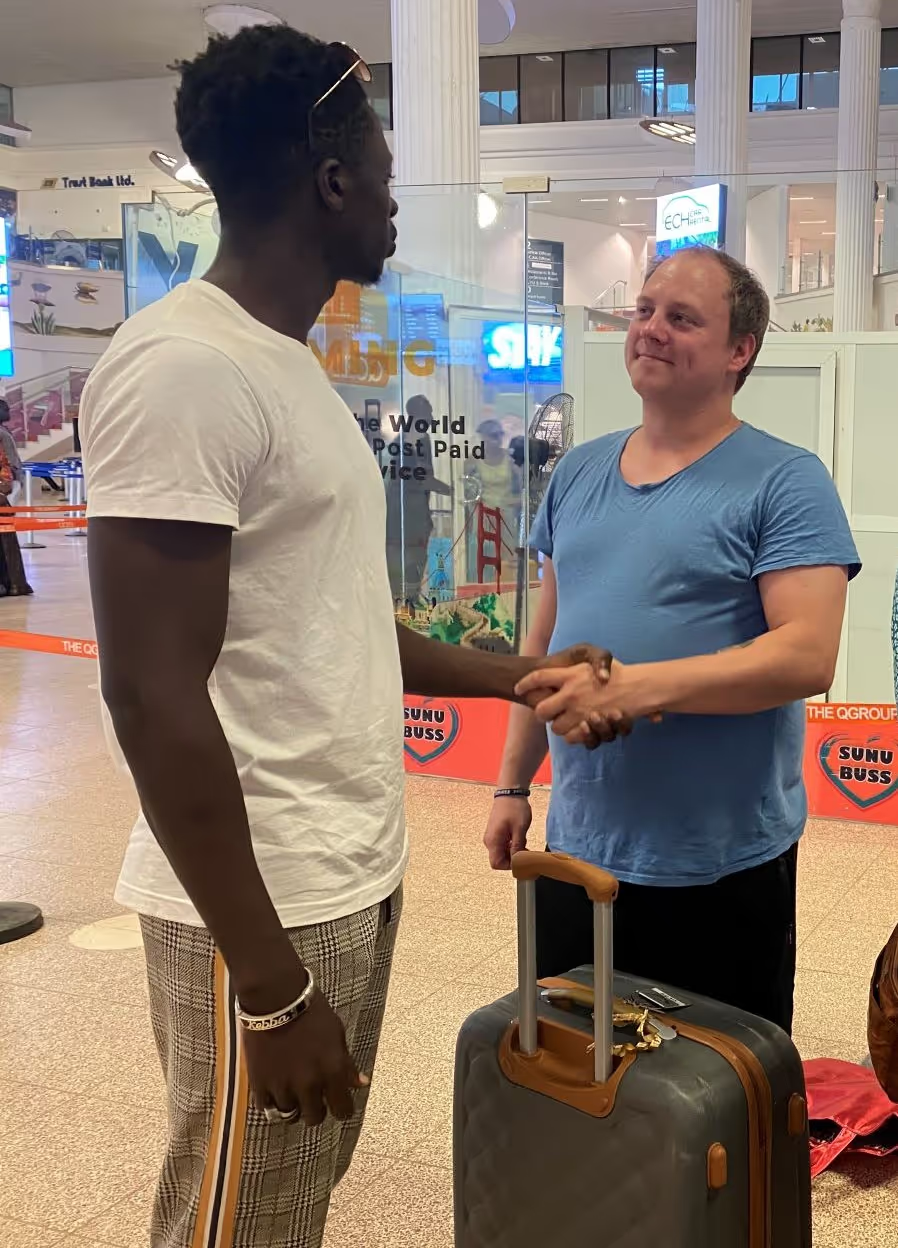

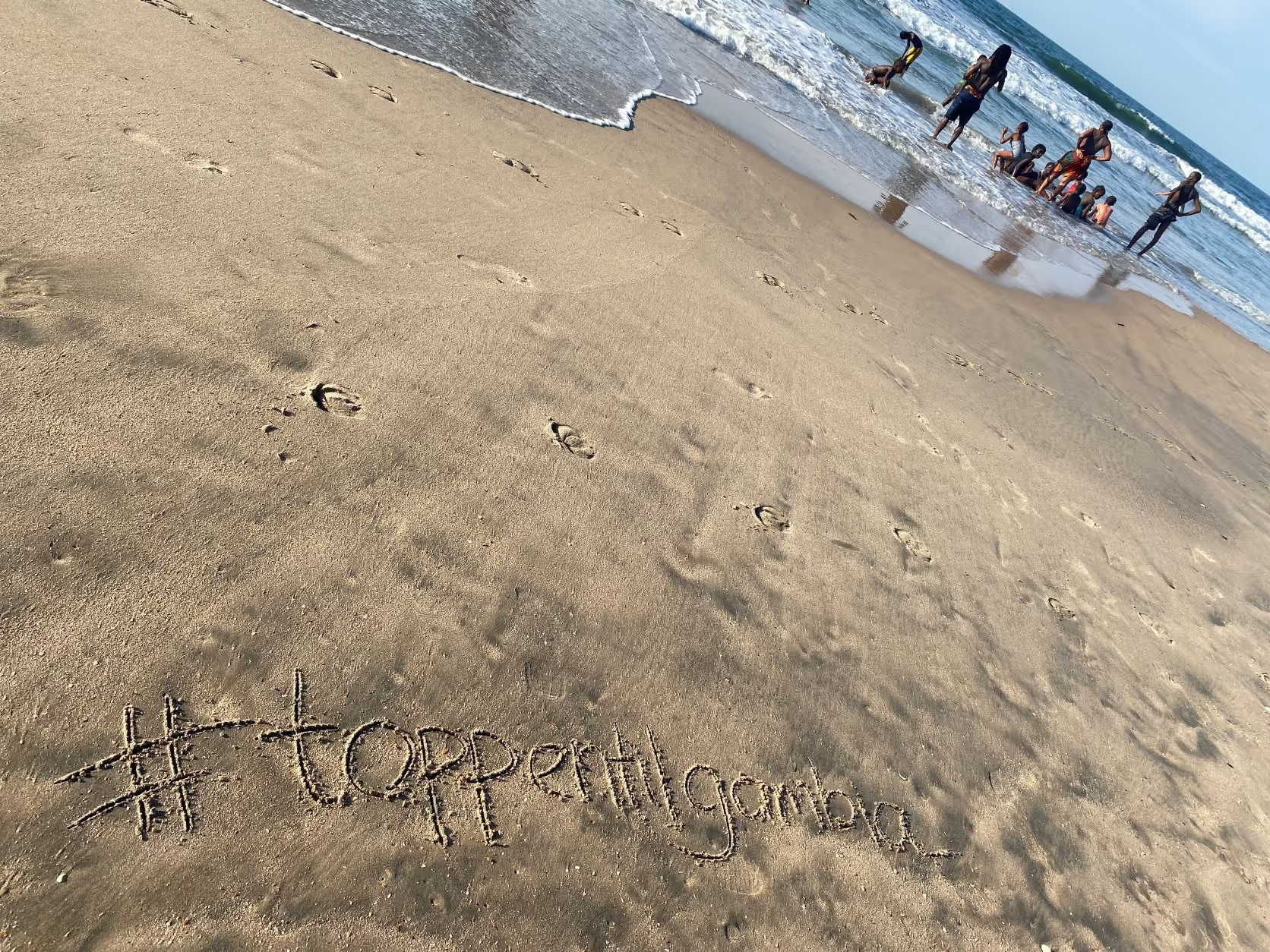
Saying goodbye was wistful. Leaving these fine people who were going to continue their everyday lives in this country. And we go home to our home in Norway. Still, we think all three knew this was more on revisit. Strange how well known one can become in a week. Not only did we who traveled together get to know each other better, but now we also have several good friends in Gambia. We will be back, no doubt! Read more about our experiences in the next blog 🙂